SRT vs. RTMP: Why It's Time to Switch for Remote Production
L
Lana Steiner

Streaming The Moment
For over a decade, RTMP (Real-Time Messaging Protocol) has been the king of live streaming. However, as remote production demands higher reliability over the public internet, SRT (Secure Reliable Transport) is taking the throne.
The Problem with RTMP
RTMP relies on TCP, which can cause buffering loops when packet loss occurs. It wasn’t designed for the modern, fluctuating conditions of cellular (4G/5G) or congested public networks.
Why SRT Wins
- Packet Loss Recovery: SRT uses advanced retransmission techniques to recover lost video packets without adding significant latency.
- Security: Built-in AES-128/256 encryption keeps your feed safe.
- Firewall Traversal: SRT’s caller/listener modes make it easier to navigate complex corporate firewalls.
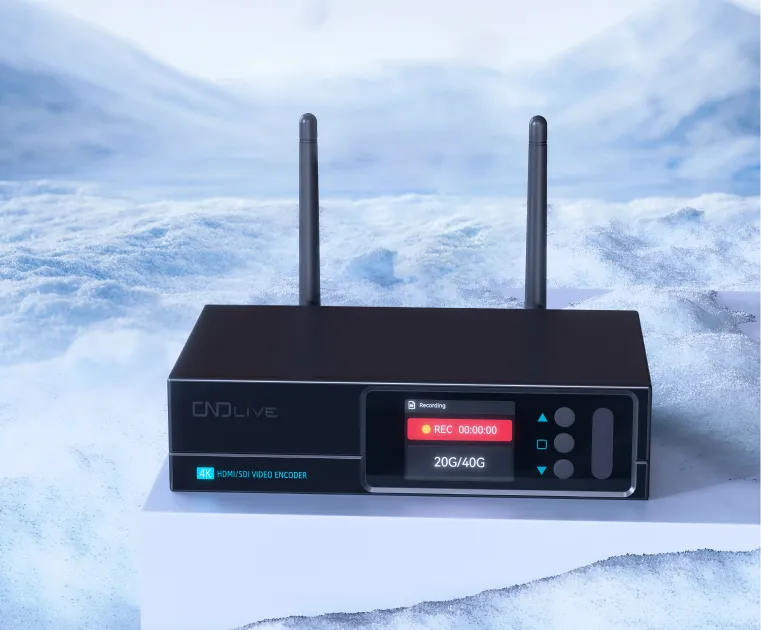
At CNDLive, we recommend using SRT for point-to-point contribution (e.g., Camera to Studio) and RTMP for final distribution (e.g., Studio to YouTube).